Buyback of Old Transformer: A Smart Move for Sustainable Power Management

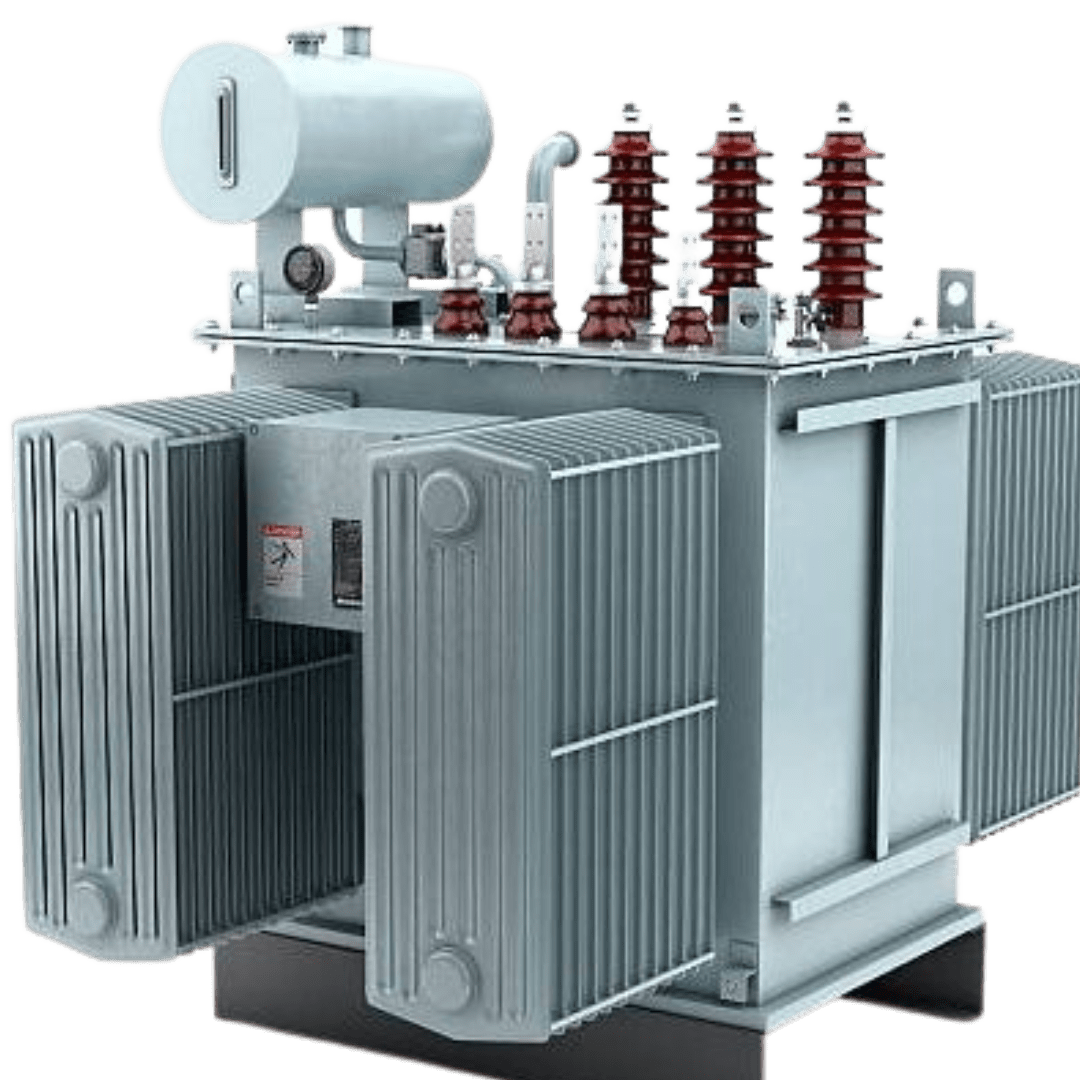
Transformers are the backbone of any power distribution system — but what happens when they become outdated, inefficient, or non-functional? Rather than letting them go to waste, many industries and utility companies are now opting for buyback of old transformer services.

This practice not only helps recover value from used equipment but also ensures safe disposal and compliance with environmental standards. If you’re planning to replace or upgrade your electrical infrastructure, this blog explains how transformer buyback works, what factors affect pricing, and why it’s gaining popularity in Maharashtra and beyond.

What Is Transformer Buyback?

Transformer buyback is a service where old, faulty, or decommissioned transformers are purchased by companies specializing in transformer dismantling, recycling, or refurbishment. These services help you – 

  • Recover scrap value

  • Avoid storage and safety issues

  • Dispose of old units legally and responsibly

Whether you’re an industrial facility, builder, government organization, or a power plant, transformer buyback is a cost-effective and sustainable solution for managing electrical asset life cycles.

Key Services Offered with Transformer Buyback

When opting for the buyback of old transformer, it’s important to choose service providers who offer a complete set of solutions, not just scrap pickup. Professional service providers typically include:

1. On-Site Assessment and Valuation – Experts inspect the transformer or collect technical details like capacity (kVA), make, age, and condition to offer a transparent valuation.

2. Safe Dismantling and Transportation

Dismantling a transformer, especially oil-filled ones, requires specialized tools and trained manpower. Companies offering buyback services handle on-site dismantling and transportation.

3. Transformer Oil Handling

Old transformers often contain insulating oil that needs to be filtered, recycled, or disposed of safely. Some buyback providers offer transformer oil filtration or safe disposal services as part of the package.

4. Documentation and Compliance

Legal disposal of transformers involves generating waste management records and following MPCB/CPCB norms. Reputed service providers ensure proper documentation and e-waste compliance.

Factors That Influence Scrap Transformer Price

Before selling, it’s important to understand how your transformer’s scrap value is calculated. The main pricing factors include

  • Capacity (kVA or MVA) – Higher capacity units offer more recyclable material.

  • Winding Material – Copper fetches a higher price than aluminum.

  • Core Material and Metal Parts – The weight and type of core (CRGO or otherwise) impacts pricing.

  • Age and Condition – Even non-functional transformers have salvage value.

  • Transformer Oil Volume and Quality – Recyclable oil adds to the overall valuation.

An expert transformer service company evaluates all these parameters to ensure you get a fair and competitive price for your old equipment.

Environmental and Regulatory Importance

Old transformers contain metals, insulating oils, and sometimes hazardous materials like PCBs (in older models). Improper disposal can lead to – 

  • Soil and water contamination

  • Fire and safety risks

  • Legal penalties under the Environmental Protection Act

That’s why working with certified transformer buyback companies is crucial. These professionals ensure that dismantling, oil drainage, and material recovery are carried out safely, sustainably, and as per regulations.

Finding the Right Partner for Transformer Buyback

When selecting a service provider for buyback of old transformer, look for the following qualities:

  • Experience in transformer rewinding, erection, and commissioning


  • Availability of transformer testing and maintenance services


  • Expertise in transformer oil filtration and OLTC servicing


  • Certification for handling and dismantling transformer waste


  • Transparent pricing and documentation


These qualities are often found in companies recognized as the best transformer company in Maharashtra, known not just for sales, but also for after-sales services, maintenance, and end-of-life disposal.

Conclusion -

An old or damaged transformer may no longer serve your electrical needs, but it still holds value — in metal, oil, and reusable components. By choosing professional transformer buyback services, you ensure,

  • Monetary return on old assets

  • Safe and eco-friendly disposal

  • Regulatory compliance and peace of mind

If you’re searching for services related to the buyback of old transformer or looking for long-term support from the best transformer company in Maharashtra, explore certified partners who offer end-to-end transformer lifecycle services.
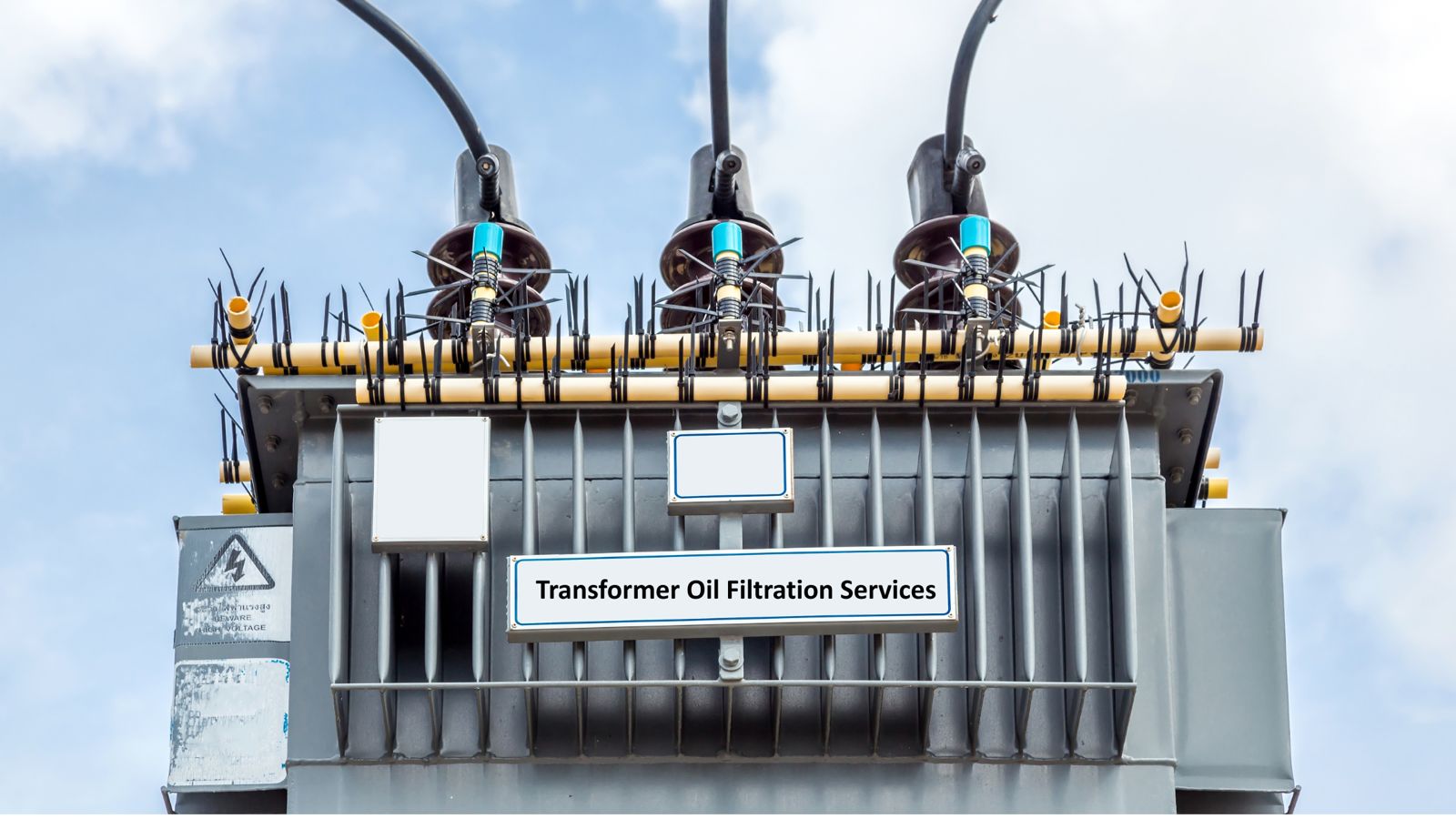
transformer oil filtration services.
Why Transformer Oil Filtration Is Essential for Long-Term Performance

Transformers are the silent powerhouses behind every industrial plant, substation, and power distribution system. But to keep them running efficiently for years, transformer oil filtration plays a crucial role. Just like engine oil in a car, transformer oil must be clean, moisture-free, and chemically stable to protect internal components.

In this blog, we’ll uncover why transformer oil filtration is essential for long-term performance, and how neglecting it can lead to serious equipment failure and costly downtimes.

What Is Transformer Oil Filtration?

Transformer oil (also known as insulating oil) serves two main purposes

  • Electrical insulation between internal components
  • Cooling to dissipate heat generated during operation

Over time, this oil becomes contaminated with

  • Moisture
  • Dissolved gases
  • Sludge and carbon particles
  • Acidity and oxidation byproducts

Oil filtration is the process of removing these impurities to restore the oil’s dielectric strength and improve transformer performance.

Why Oil Filtration is essential for Your Transformer

1. Improves Dielectric Strength – Moisture and particles reduce the oil’s insulating property. Filtration helps restore the Breakdown Voltage (BDV), reducing the risk of internal short circuits.

2. Reduces Internal Heating – Sludged oil causes poor heat transfer, which can lead to overheating of windings and insulation damage. Clean oil ensures proper cooling.

3. Prevents Unexpected Breakdowns – Contaminated oil can trigger flashovers and faults. Routine oil filtration minimizes unplanned outages and protects your transformer investment.

4. Extends Transformer Life – Clean oil reduces oxidation and internal corrosion, helping the transformer function smoothly for 20–30 years with lower maintenance costs.

5. Cost-Effective vs. Repair or Replacement – Oil filtration is far cheaper than rewinding, replacing bushings, or entire transformer replacement. It’s a small investment for massive long-term savings.

Ideal Frequency of Transformer Oil Filtration

Transformer TypeFiltration Frequency
Power TransformersEvery 1–2 years or after IR drop
Distribution TransformersEvery 3 years or condition-based
Critical EquipmentAfter every major fault or temperature rise

Signs You Need Oil Filtration

  • Low BDV test results (Below 40 kV)
  • Moisture content above 20 ppm
  • Oil turning dark or smelling burnt
  • High acidity or TAN (Total Acid Number)
  • Insulation resistance drop

Conclusion

Transformer oil filtration is not just a routine maintenance task — it’s a critical investment in the safety, reliability, and longevity of your power infrastructure. Clean and well-maintained oil ensures that your transformer performs at its peak, minimizes risks of unexpected failures, and extends the life of both the transformer and connected industrial equipment.

For any industry relying on uninterrupted power, regular oil filtration is a must — not an option.

At Vijay Electricals, we combine years of expertise with advanced filtration technology to deliver on-site, efficient, and cost-effective transformer oil filtration services across Maharashtra.

 Don’t wait for a fault — maintain before it breaks.

Contact us today and ensure your transformer stays healthy for years to come.

best transformer rewinding service providers in Maharashtra
What Is Transformer Rewinding? A Complete Guide for Indian Industries

Transformers are vital to every power distribution setup — whether it’s a manufacturing unit, a commercial complex, or an industrial plant. But over time, even the best transformers show signs of wear and tear. When that happens, businesses often wonder: should we replace the transformer or go for rewinding?

At Vijay Electricals, we believe that rewinding is often the smarter, more cost-effective solution — especially when done right.

In this guide, let’s break down what transformer rewinding is, when you need it, and why it could be the perfect option for your business in Maharashtra or anywhere across India.

 What Is Transformer Rewinding?

Transformer rewinding means replacing the internal windings — the copper or aluminium coils — inside your transformer. These windings carry electricity between the primary and secondary sides. But over years of operation, these coils face electrical stress, heat damage, and insulation breakdown, which affect performance.

Instead of replacing the whole transformer, rewinding lets you keep the core and frame — and just replace the worn-out parts. It’s like giving your transformer a second life.

 Ideal for power transformers, distribution transformers, and even custom high-voltage units.

Signs Your Transformer Need Rewinding

Every transformer shows clear warning signs before a major fault or failure. Identifying these early can save you time, money, and system downtime. Here are the most common signs to watch for:

1. Loss of Power Efficiency – If voltage drops or power consumption increases unusually, winding damage could be the cause.

2. Overheating – Is the transformer body getting hot even under normal load? This may indicate shorted coils or insulation failure.

3. Unusual Sounds – A humming sound is normal — but if the noise increases or vibrates unusually, the coils may be loose or damaged.

4. Oil Test Failure – In oil-filled transformers, if the oil is dark or smells burnt, winding insulation may be degrading.

5. Failed Testing Reports – Did your transformer fail insulation resistance, turns ratio, or impedance tests? It may be time to rewind.

The Transformer Rewinding Process: What Happens?

Based on industry-standard practices and our in-house experience, here’s the typical rewinding process followed for most transformers.

1. Initial Assessment & Testing

Diagnostic tests such as insulation resistance checks, voltage readings, and thermal imaging help identify winding faults and insulation failures.

2. Dismantling & Coil Removal

The transformer is carefully dismantled and the old windings are removed. The core and other structural parts are inspected to ensure they are reusable.

3. Rewinding & Insulation Replacement

New windings are created using high-grade copper or aluminium. Insulation is upgraded using modern materials to improve dielectric strength and efficiency.

4.Varnishing and Impregnation

To enhance durability, the windings are vacuum-impregnated with insulating varnish or resin — a standard process across many repair facilities.

5. Final Testing & Commissioning

Once reassembled, the transformer undergoes testing to ensure it meets safety and performance standards before being returned to the customer.

Rewinding vs. Replacing: What’s Better?

When a transformer starts underperforming, businesses are often faced with a key question — should you rewind the existing transformer or replace it entirely? The right answer depends on multiple factors such as the age of the transformer, nature of the fault, and long-term operational needs.

  • Cost-Effective: Rewinding is usually more affordable than buying a new transformer.

  • Faster Turnaround: If the core and structure are in good condition, rewinding saves time compared to procurement of a new unit.

  • Eco-Friendly: It reduces industrial waste by reusing the existing structure.

  • Upgradability: During rewinding, upgraded insulation and improved copper winding can enhance performance.

That said, replacing the transformer may be the better option if the core is damaged, the unit is very old, or your power requirements have changed over time. In such cases, rewinding might not deliver long-term benefits. The best way to decide is by getting a thorough inspection done by an experienced transformer expert who can assess the condition and guide you toward the right solution.

The Importance of Specialist Transformer Rewinding Services

Transformer rewinding isn’t a DIY job—it requires technical expertise, high-quality materials, and strict adherence to industry standards. That’s why choosing the right partner is critical.

With over 30+ years of experience, Vijay Electricals is one of the best transformer rewinding service providers in Maharashtra, trusted by industries across the state. Our expert team ensures:

  • Compliance with Safety Standards – We follow the latest industry norms to deliver safe and reliable performance.
  • Tailored Engineering Solutions – Coils and windings are custom-designed for optimal voltage regulation, load handling, and efficiency.
  • Long-Term Value – Our professionally rewound transformers provide excellent ROI with years of extended service life.

When precision, safety, and lasting performance matter—Vijay Electricals is the name you can count on.

Conclusion

If your transformer is facing issues like overheating, insulation failure, or reduced efficiency, rewinding could be a smart, cost-effective solution compared to complete replacement. But choosing the right engineering team is critical.

At Vijay Electricals, we offer expert transformer maintenance services along with a full suite of transformer solutions under one roof — including Rewinding, repairing and rental, erection, oil filtration, onsite testing, maintenance, and OLTC servicing

Whatsapp Chat
Send via WhatsApp